Did you know that 95% of global trade relies on maritime routes, yet Israel aims to redefine those routes entirely by constructing a seaport in the middle of the desert? This isn’t science fiction—it's happening right now, and the world is watching as the Ben Gurion Canal project promises to reshape not just Israel’s geography but the region’s entire economic and political landscape
Startling Developments: Israel Is Building a Seaport in the Middle of the Desert
In December 2025, headlines flashed across the globe: Israel is building a seaport in the middle of the desert. The bold vision—known officially as the Ben Gurion Canal—invokes the ambition of the iconic Suez Canal, hinting at a future where the Middle East’s trade, security, and diplomacy are reimagined. Proponents argue that this canal will create a new artery between the Mediterranean Sea and the Red Sea, bypassing the sometimes volatile Suez Canal, and catapulting Israel into a key maritime hub for large ships and global commerce. Critics, however, raise concerns over environmental damage and the potential to escalate regional tensions—particularly with the Gaza Strip looming nearby.
As machinery churns sand and plans become reality, questions abound: Is this project a mark of national pride and technical ingenuity, or does it represent overreach? By comparing it to historic megaprojects like the Suez Canal, we can better understand its epochal significance—and its risk of unintended consequences What You'll Learn Understand the strategic and political motivations behind Israel is building a seaport in the middle of the desert.
Compare this project to the Suez Canal and other historic megaprojects.
Explore impacts on the Gaza Strip and surrounding regions.
Assess opinions for and against developing the Ben Gurion Canal. "95% of global trade relies on maritime routes, yet Israel aims to redefine those routes entirely by constructing a seaport in the middle of the desert." Why Is Israel Building a Seaport in the Middle of the Desert?
The decision to build a seaport deep within Israel’s arid heartland is driven by more than a spirit of national adventure. The Gurion Canal—named for the visionary leader David Ben-Gurion—serves multiple purposes. Most importantly, it offers a viable alternative to the Suez Canal, whose closure or blockages (like the notorious incident with a stuck container ship) have global economic ripple effects. A desert seaport gives Israel unprecedented leverage, resilience, and a place at the economic table alongside giants like Saudi Arabia and Egypt.
There’s a strategic logic, too. The Gaza Strip, always at the center of regional politics, sits near the planned canal’s route. Having the canal nearby would impact security, provide new economic incentives for peace, and alter influence balances across the Middle East. For the Israeli government—notably Prime Minister Benjamin Netanyahu—the canal is a declaration of Israel’s intent to be a maritime and diplomatic power, independent of unpredictable neighbors and global shipping choke points.
The Vision: Reimagining Trade with the Ben Gurion Canal
Imagine a sweeping artificial waterway connecting the Mediterranean Sea with the Red Sea, slicing through the desert and transforming trade. That is the vision behind the Ben Gurion Canal project: to make Israel a critical link in global shipping. According to planners and supporters, the canal will be about meters deep and engineered to handle the world’s largest cargo vessels.
With the Gulf of Aqaba as one terminus and a future link near Tel Aviv at the other, this new waterway could divert traffic from the Suez Canal and bring enormous commercial and military advantages. It’s a project on a scale unseen in Israel’s recent history—some say not since the days of ancient canal builders and visionaries like Abu Abbadi. Skeptics voice concerns about the canal’s enormous cost and whether it can fulfill these promises, but there’s no denying that the Ben Gurion Canal has already changed how we think about Israel’s future. Comparisons and Contrasts: Suez Canal vs. Gurion Canal
The Suez Canal, built over 150 years ago, is still one of the world’s most vital shipping lanes, linking Europe and Asia. Yet, recent years have exposed its strategic vulnerabilities—from massive delays caused by stuck container ships to rising regional instability. The Ben Gurion Canal, by contrast, represents a bold attempt to create redundancy and flexibility in global trade routes.
While the Suez runs through Egyptian territory, the Gurion Canal is squarely within Israeli borders, giving the country direct control over this crucial node. The environmental and technical challenges couldn’t be more different: the Suez is a natural corridor, while Israel’s engineers are crafting a canal from raw desert. Still, both projects share the ambition to alter the course of history—and with it, the fate of global commerce and Middle Eastern politics.
Historical Precedents and Contemporary Drivers
Throughout history, grand canals have acted as more than mere water channels—they have shaped empires, fostered economic growth, and shifted the region’s power dynamics. The Suez Canal’s opening in 1869 transformed global shipping and allowed Europe to reach Asia without sailing around Africa, forever altering trade patterns. Today, with the Ben Gurion Canal project, Israel hopes to spark a similar revolution.
But historical echoes go further: planners reference historic proposals by both Israeli and Arab engineers, including Lawrence Livermore’s mid-20th-century concepts and the dreams of Abu Abbadi, to create a canal spanning the Negev. Each attempt has revealed the region’s strong strategic interest in controlling the movement of goods and people—a reality only amplified by the rise of container ships and the increasing complexity of modern logistics.
Canals of Influence: Suez Canal, Ben Gurion Canal, and Regional Power
The power to control a gateway between two seas is a prize every nation aspires to. The Suez Canal gave Egypt wealth and leverage, while the Ben Gurion Canal offers Israel a chance to claim similar stature. The Gurion Canal project could alter economic flows not just for Israel, but for its neighbors—including the West Bank, Gaza Strip, and even Saudi Arabia.
The balance of regional influence is at stake: will Israel’s new maritime ambitions bring cooperation, competition, or conflict? The echoes of history remind us that all canal projects invite both progress and peril Geopolitical Pressures Shaping the New Seaport
Global geopolitics drive many aspects of the Ben Gurion Canal project. Mounting pressure from events like the recent war in Gaza, shifting alliances involving Saudi Arabia and Egypt, and the uncertainty around key maritime choke points have all accelerated Israel’s determination to build an alternative to the Suez. The canal is not just about trade; it’s about securing Israel’s independence from routes vulnerable to regional instability.
International opinions diverge. Some see the canal as a stabilizing force that could bring more commerce and engagement, particularly between the West Bank, Gaza Strip, and Israel itself. Others fear it could widen divides and promote new flashpoints in an already tense region. The path forward will depend on how Israel and its neighbors choose to wield the power this new canal provides.
Engineering Marvel: Turning the Desert into a Maritime Hub
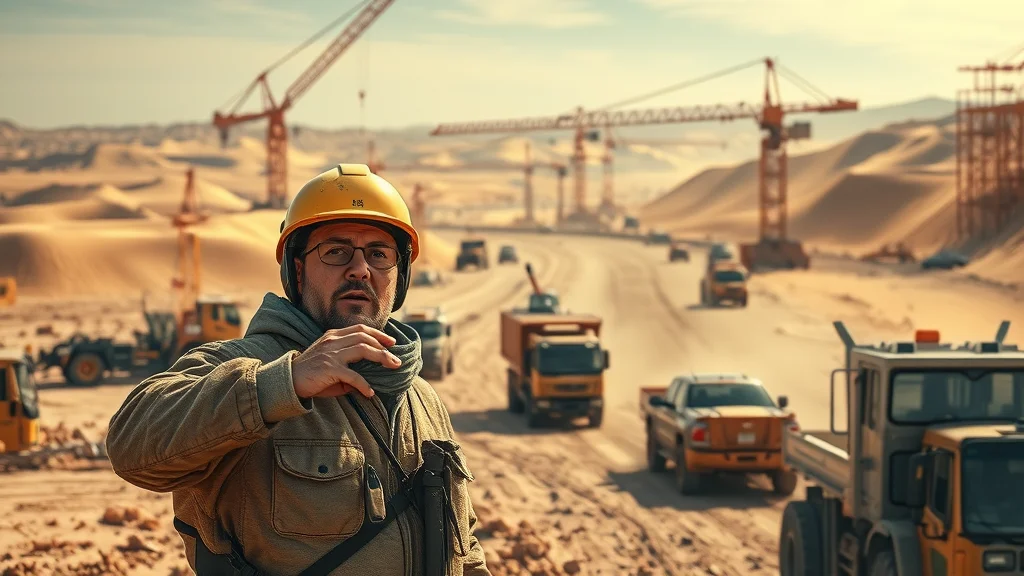
Building a massive canal through the unforgiving Negev Desert is a feat of modern engineering. The project’s scale is staggering: spanning over 300 kilometers, reaching meters deep in places, and requiring the movement of millions of cubic meters of earth. The challenge isn’t just technical; it’s environmental and social too. Achieving such a transformation requires balancing short-term economic goals with long-term sustainability—a balance Israel has sought since the earliest days of its statehood.
Central to the canal’s success has been Israel’s world-renowned expertise in water management, developed over decades of transforming desert into farmland. By using advanced tunneling, massive pumps, and state-of-the-art ecological monitoring, the project leaders argue the Ben Gurion Canal project could become a model for other canal projects worldwide.
How Did Israel Build a Massive River Inside the Desert?
The Ben Gurion Canal is, in many respects, like building a river where none existed before. Explaining the process, Israeli engineers point to decades of research at places like Lawrence Livermore National Laboratory, as well as homegrown innovations in desert construction. Water management has always been a cornerstone of Israel’s survival, and the canal brings this expertise to an unprecedented scale.
The project began with comprehensive geological surveys and advanced computer modeling to map out the safest and most efficient route across the Negev. Excavators and giant earth-moving machines then cut a path through rock and sand, while aqueducts, locks, and pump stations brought water from the Red Sea and Mediterranean Sea. The final channel is designed to be wide and deep enough for the world’s biggest container ships.
Innovations in Infrastructure: Challenges and Milestones
Constructing the Gurion Canal brought challenges never before faced in Israel’s history. Workers contended with volatile weather patterns, shifting sands, and the threat of sabotaging opposition. Yet, for each milestone—whether the opening of the first lock or the arrival of the inaugural container ship—Israeli engineers outdid themselves, leveraging innovative building materials, real-time seismic monitoring, and green technologies to mitigate environmental damage. Importantly, the project’s scale has provided thousands of jobs, sparking economic growth and hope for new regional trade opportunities.
As the canal nears completion, the final hurdles involve integrating local communities, safeguarding rare desert ecosystems, and ensuring that the canal does more than just move ships—that it also moves minds toward cooperation and sustainable prosperity. Watch an animated visualization explaining how the Ben Gurion Canal's construction process transformed barren desert into a modern maritime hub.
Strategic Implications: Shifting Trade and Security Landscapes
By building a desert seaport and the Ben Gurion Canal, Israel is set to become a new focal point for international trade. But economic gains are only part of the equation. The new canal has profound security implications—especially given its proximity to the Gaza Strip, the West Bank, and contested zones. Israeli strategists emphasize the canal’s ability to secure independent access to world markets, lessen reliance on the Suez Canal, and offer rapid mobilization routes for major security concerns should regional crises erupt.
In the Middle East, where economic power and political leverage walk hand in hand, the canal is also a subtle message: Israel aims to chart its own path, create new alliances, and shape events not just in Tel Aviv or Jerusalem, but across the entire region. Every new port, lock, and shipping lane is a point of influence and a possible flashpoint—offering opportunities and risks for all players involved.
Does Israel Have Anything to Do With the Suez Canal?
Though Israel does not control, or even directly manage, the Suez Canal, the presence of the new Ben Gurion Canal fundamentally shifts the calculus for those who do. Historically, Israel has always monitored the Suez closely, given its impact on Israeli trade and security. But the new canal marks a major transition: Israel moves from observer to creator of maritime shortcuts. This shift impacts Egypt, Saudi Arabia, and every nation relying on the Suez Canal for global trade access.
The Gurion Canal may well create a domino effect, pushing neighbors to invest in competing projects or seek new partnerships to maintain their own relevance. For Israel, the goal is clear: secure autonomy over trade, reduce vulnerability, and take charge of its economic destiny.
Potential Strategic Advantages Over the Gaza Strip
Geopolitically, the canal offers both carrot and stick near the Gaza Strip. For Israeli security planners, proximity means easier monitoring of goods, fewer opportunities for blockades, and strategic flexibility during times of conflict. For some local Gazans, the project is seen as another extension of Israeli influence but could also bring economic opportunities if accompanied by new investments in the region’s ports and infrastructure.
The project’s very existence alters the logic of regional confrontations. Any disruption to the canal could have global consequences, changing how Israel, Egypt, and the wider world engage with Gaza and its people. Ben Gurion Canal and the Race for Regional Influence
Israel’s canal ambitions set off a new contest for leadership in the Middle East. With Saudi Arabia, Egypt, and Turkey all seeking influence over critical trade and energy corridors, the Ben Gurion Canal could change the balance of power. If successful, Israel will join the elite club of nations able to dictate the flow of goods between continents—competing with the Suez Canal itself and possibly inviting new alliances and rivalries across the region.
Observers note the canal could become a test case for broader economic integration, especially if used to encourage peace and trade rather than deepen lines of division. But even critics admit: the canal’s completion will force every group in the region to rethink their strategy.
Economic Potential vs. Environmental Risks
No project of this magnitude is without controversy. On one hand, the canal brings promises of increased economic growth, jobs for thousands, and a boost to regional trade that could help transform not just Israel, but the wider Middle East. On the other, environmental groups warn of lasting damage to delicate desert ecosystems, water supplies, and the livelihoods of local communities.
Governments and environmentalists alike agree: striking the right balance is vital for the canal to be a true success.
Benefits for Israeli Economy: Exports, Jobs, and Regional Growth
Economic ministries point to the canal’s sheer scale and forecast billions in new exports passing through Israel. The construction stage alone has already created thousands of jobs, from engineers to skilled laborers to support services in nearby cities like Tel Aviv and Eilat. When completed, the desert seaport should bring new investment, foster trade connections with Europe, Asia, and Africa, and open up new routes for Israel’s agricultural and technology sectors.
Cargo arriving on modern container ships, unloaded by automated cranes, could be sent directly by desert rail lines to every corner of Israel—and beyond to the West Bank and Jordan. Many see this as the beginning of a new “Golden Age” for Israeli trade, with the potential to lift the wider region through increased commerce and cooperation. Risks and Critiques: Environmental and Social Challenges
However, there are real risks. Environmental scientists caution that diverting water on this scale could endanger native plants and animals. Changes to groundwater, soil erosion, and the introduction of invasive species all threaten the fragile Negev ecosystem. Social activists contend the canal bypasses the needs of vulnerable communities—notably, the Bedouin and other minorities who rely on the land for livelihoods.
International organizations, too, urge Israel to perform comprehensive impact studies and include affected populations in the decision-making process. Balancing the short-term economic gains against long-term sustainability remains one of the project’s steepest hurdles as it moves forward. Quotes from Experts on Environmental Impact “The Ben Gurion Canal has transformative economic potential, but its true legacy may hinge on whether it becomes a model of sustainable development or a cautionary tale of unchecked ambition.” – Dr. Lior Maayan, Environmental Policy Institute “Large-scale canal projects like this one must be managed with extreme caution. Precious habitats in the Negev Desert face risks that could threaten species found nowhere else in the world.” – Prof. Amira Zahavi, Desert Research Center Public Opinion: Divided Voices on Israel Is Building a Seaport in the Middle of the Desert
Among Israeli citizens, the canal has become a Rorschach test of aspirations and anxieties. For some, it represents the pinnacle of national pride: a testament to ingenuity and resilience. For others, it’s a symbol of overreach, expensive and fraught with social and environmental dangers. The canal dominates discussion in places like Tel Aviv and Eilat, fueling both pride and protest in the streets.
Debate is especially sharp in communities near the planned route and at urban squares, where voices range from optimism about new jobs to concern for lost lands and cultural disruption. The future of the Gurion Canal will, to an important degree, reflect these divided voices.
National Pride or Overreach?
National surveys indicate about half of Israelis see the canal as a “generational achievement”—putting Israel in the league of nations that have changed the course of human progress. Yet, the other half worry about costs overruns, environmental calamities, and unintended diplomatic fallout. Some younger Israelis see the canal as a means to new opportunity and regional cooperation; others see it as an extravagant gamble amid ongoing crises in the West Bank and Gaza Strip.
Supporters argue the time is right, given Israel’s technological edge and the unpredictable state of global trade. Detractors urge patience, more transparency, and attention to the broader human and ecological context. International Reactions to the Ben Gurion Canal
The world’s gaze is fixed on Israel’s bold experiment. Some nations—particularly in Europe and Asia—see the canal as a safeguard for their own shipping interests, eager to avoid reliance on the Suez alone. Middle Eastern neighbors, meanwhile, eye the canal with both admiration and caution, aware that shifting trade routes inevitably impact existing alliances and competition.
Organizations like the United Nations and World Bank have called for robust oversight and environmental stewardship. Diplomatic cables from Saudi Arabia and Egypt suggest that both countries are weighing their next steps carefully, aware that a successful Gurion Canal will force everyone in the region to adapt.
See firsthand how communities are responding to the historic changes brought by Israel’s desert seaport project.
Regional Ripple Effects: The Gaza Strip and Beyond
The repercussions of this megaproject will be deeply felt in the Gaza Strip and throughout the region. If handled wisely, the canal could bring new investment and economic opportunity to Palestinian territories, through trade, jobs, and infrastructure improvements. But if mismanaged, it could worsen displacement, magnify inequality, or serve as another point of contention between Israel and its neighbors.
Observers stress that the success of the Ben Gurion Canal rests in part on how well it integrates the needs and aspirations of all affected populations—not just Israelis, but Palestinians and adjacent nations as well. A transparent, shared framework for canal governance and revenue distribution could set a positive precedent for the whole Middle East.
Impact on the Gaza Strip and Palestinian Territories
Many in the Gaza Strip fear the canal represents another layer of Israeli control and could exacerbate economic isolation. There are, however, voices calling for shared benefits from the canal, such as expanded port access, jobs, and funded development initiatives. Genuine progress will depend on inclusive, diplomatic negotiations that take local voices seriously.
International agencies are already proposing frameworks to ensure the canal’s revenues support humanitarian relief and reconstruction in the Gaza Strip, especially after recent years of conflict and the ongoing war in Gaza.
Future Prospects for Middle Eastern Port Cities
The ripple effects don’t stop at Israel’s borders. Already, port cities from Saudi Arabia to Turkey are recalibrating their logistics and investment strategies. If successful, Israel’s desert seaport might prompt others to pursue similar projects or modernize existing harbors. It could also create more competition for shipping, lower costs for global goods, and potentially increase diplomatic outreach across the Middle East.
Yet, this future is not inevitable. The region’s political volatility—especially the continuing tensions in the Gaza Strip and West Bank—means even bold dreams must be paired with pragmatic diplomacy and constant risk assessment.
What Is Israel's Main Seaport, and How Will This Project Change the Landscape?
Until now, Israel’s premier seaports have been Haifa and Ashdod, both situated on the Mediterranean Sea. These ports have been gateways to Europe, Africa, and Asia—handling the vast majority of the country’s imports and exports. The completion of the desert seaport and the Ben Gurion Canal would radically alter this hierarchy, offering a new direct link between two major seas and transforming Israel’s role in global trade networks.
In the coming years, analysts expect Haifa and Ashdod to complement the new desert megaport, creating a “triangle” of maritime power unprecedented in Israeli—or regional—history. The result could be nothing less than a redefinition of the Middle East’s shipping map.
Comparing Haifa, Ashdod, and the Planned Desert Seaport
While Haifa boasts proximity to Europe and advanced logistics infrastructure from years of modernization, the desert seaport offers flexibility for high-volume, transcontinental trade, less susceptible to regional bottlenecks like the Suez Canal. Ashdod, meanwhile, remains vital for handling short-haul Mediterranean traffic and bulk goods. As the Ben Gurion Canal nears completion, expect all three ports to evolve, each playing a distinct role in Israel’s future. Key Features – Suez Canal vs. Gurion Canal vs. Ben Gurion Canal Canal
Location
Length
Depth
Main Strategic Benefit
Primary Challenges Suez Canal
Egypt
193 km
24 m
Direct Europe-Asia maritime link
Political volatility, traffic congestion Gurion Canal
Israel (Planned, Negev Desert)
300+ km
~25 m
Redundant trade route, regional influence
Environmental risks, regional opposition Ben Gurion Canal
Israel (Negev Desert)
300+ km
~25 m
Direct Red Sea-Mediterranean link, boosts economy
Ecological impact, political tensions Frequently Asked Questions about Israel Is Building a Seaport in the Middle of the Desert How did Israel build a massive river inside the desert?
Is there a new canal being built in Israel?
Does Israel have anything to do with the Suez Canal?
What is Israel's main seaport? How did Israel build a massive river inside the desert?
Answer: By leveraging advanced engineering and water management technologies, Israel created navigable waterways that transform arid landscapes into functional trade routes, laying the foundation for the Ben Gurion Canal.
Is there a new canal being built in Israel?
Answer: Yes, the Ben Gurion Canal is a highly ambitious infrastructure project designed to rival the Suez Canal and enhance Israel’s economic and strategic capabilities.
Does Israel have anything to do with the Suez Canal?
Answer: While Israel does not control the Suez Canal, the Ben Gurion Canal project is seen as a strategic alternative that could alter traditional maritime routes in the region.
What is Israel's main seaport?
Answer: Currently, Haifa and Ashdod serve as Israel’s primary seaports, but the completion of the desert seaport could redefine this hierarchy.
Key Takeaways from Israel Is Building a Seaport in the Middle of the Desert Israel is building a seaport in the middle of the desert for economic, strategic, and geopolitical reasons.
The Ben Gurion Canal aims to provide an alternative to the Suez Canal and alter regional trade dynamics.
Public and environmental concerns remain significant as the project progresses.
The desert seaport could shift Israel's role as a maritime hub and influence neighboring territories. Final Reflections: The Future Awaits Israel’s Seaport in the Desert "Israel is no stranger to bold visions. Whether the desert seaport becomes the region's next Suez Canal or a costly experiment will depend on its ability to balance ambition, sustainability, and diplomacy." Ready to stay ahead on historic developments like israel is building a seaport in the middle of the desert? Subscribe to our newsletter for timely updates.
Sources https://www.reuters.com/world/middle-east/israel-ben-gurion-canal-project-analysis-2025-12-01/ – Reuters
https://www.haaretz.com/israel-news/2025-11-18/ben-gurion-canal-desert-seaport-analysis/0000018b-cc89-d9a6-abdf-dfeff2b80000 – Haaretz
https://www.aljazeera.com/news/2025/12/ben-gurion-canal-negev-dream-or-disaster-analysis – Al Jazeera
https://www.timesofisrael.com/israels-bold-ben-gurion-canal-could-reshape-mideast-trade/2025-12-03/ – Times of Israel Israel’s ambitious plan to construct a seaport in the Negev Desert, known as the Southern Gateway project, aims to establish a strategic alternative to the Suez Canal, enhancing national logistics and transforming Eilat into a modern urban and tourist center. This initiative includes building an artificial canal, automated terminals, and a 250-kilometer railway across the Negev Desert.
Israel to Build Seaport in the Middle of the Desert – The Billion-Dollar Project That Could Change the World














Write A Comment