
Add Row
Add Element
Recreation Wave Logo
update
Recreation Wave
update
Add Element
  • Home
  • Categories
    • Boat Care
    • Water Sports
    • Eco-Boating
    • Safety First
    • Destinations
    • Gear Guide
    • Community Talks
  • Featured Business Profiles
  • All Posts
  • Boat Care
  • Water Sports
  • Eco-Boating
  • Safety First
  • Destinations
  • Gear Guide
  • Community Talks
  • Featured Business Profiles
September 03.2025
3 Minutes Read

Essential Guide: How to Insure Your Recreational Vessel for Safety

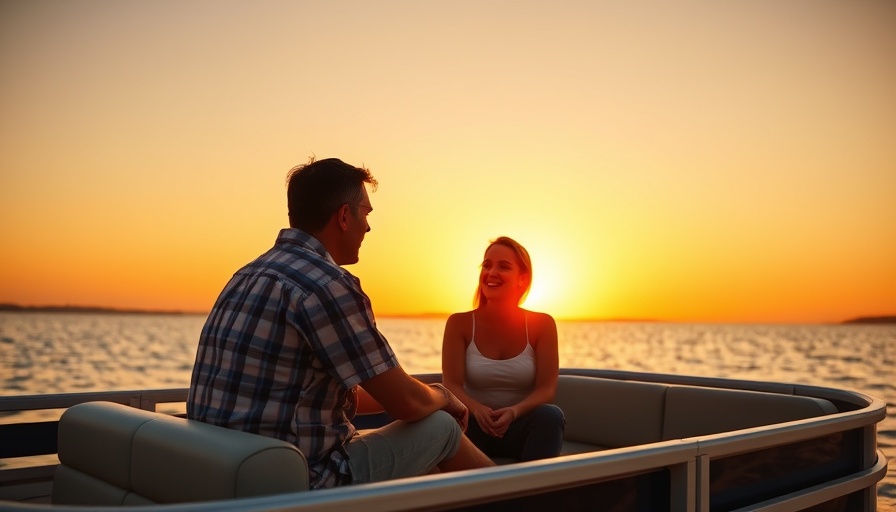
Family on a boat at sunset - How to Insure Your Recreational Vessel.

Why Boat Insurance is Essential for Every Vessel Owner

Owning a recreational vessel opens doors to thrilling adventures on the water, yet it carries significant responsibilities. Just as a home or car requires protection, so too does your boat. Many enthusiasts underestimate the financial risks associated with boating; accidents, theft, or damage can lead to hefty bills that could drown your finances.

While boat insurance may not be legally required everywhere, it is often necessary—especially for those financing their vessel or docking it at a marina. Good insurance can save you from unforeseen costs associated with:

  • Accidental damage to your boat or others’ properties.
  • Liability claims if you're responsible for an accident.
  • Theft, vandalism, or fire incidents.
  • Storm or weather-related damage that could devastate your investments.
  • Medical expenses for yourself and passengers involved in an incident.

Understanding Your Coverage Options

Diving into the world of boat insurance means navigating a sea of coverage options, each with its unique protective benefits. Here are critical types of coverage you should consider:

  • Liability Coverage: This is your first line of defense, covering expenses related to injuries or damages you may cause to others.
  • Physical Damage Coverage: Essentially ensures that your vessel is protected against various forms of damage, including collisions and theft.
  • Medical Payments Coverage: A safety net for medical expenses incurred by your guests when on board, ensuring their wellbeing.
  • Uninsured/Underinsured Boater Coverage: Protects you from those unfortunate events where another boater can't cover the damages.
  • Personal Property & Equipment Coverage: Safeguards valuable equipment like fishing gear and electronics.
  • Towing & Assistance Coverage: Provides peace of mind with support in emergencies, from towing services to roadside assistance for your trailer.

Best Practices for Securing Your Boat Insurance

With the right options laid out, here’s how to effectively secure the right insurance:

1. Work With a Marine Insurance Specialist

Not all insurance professionals are versed in the nuances of boating. A marine insurance specialist can provide detailed guidance tailored to your local conditions and specific needs.

2. Know the Difference: Agreed Value vs. Actual Cash Value

Understanding the distinctions between these policies is crucial. An Agreed Value Policy pays out the insured amount without depreciation, while an Actual Cash Value Policy deducts depreciation, resulting in lesser payouts but potentially lower premiums.

3. Be Transparent About Usage

It’s essential to disclose how frequently and for what purposes you engage your vessel—be it weekend escapes, competitive fishing, or leisurely excursions—to ensure proper coverage. A misrepresentation can jeopardize your claims.

4. Check Navigational Limits

Most insurance policies have geographical restrictions. Ensure your coverage aligns with your usual boating locales to prevent surprises.

5. Bundle and Compare Your Policies

Consider bundling your boat insurance with home or auto coverage for potential discounts. Taking time to compare quotes ensures you’re getting the best deal possible.

Frequently Asked Questions About Boat Insurance

Finding the best boat insurance can be daunting. Here we address some common concerns:

  • How can I lower my premiums? Consider training courses that enhance your boating skills, as insurers often reward those who show proficiency.
  • What should I do after an accident? Report the incident to your insurer promptly and collect relevant information to facilitate your claim.

Remember, having the right insurance is your beacon of security as you navigate your aquatic adventures. By taking proactive steps, you can enjoy peace of mind and focus on making memories during your time on the water.

Secure Your Future on the Water

Investing in proper boat insurance not only safeguards your vessel but also protects your finances and enhances your confidence on the water. Don’t let an unexpected incident ruin your enjoyment. Take the time to explore your options, consult with a marine specialist, and ensure your recreational vessel is adequately insured.

Safety First

4 Views

0 Comments

Write A Comment

*
*
Related Posts All Posts
01.29.2026

Discover the Importance of Boating Wake Zones in Southwest Florida

Update Understanding Wake Zones: The Essential Guide for Southwest Florida Boaters If you’re navigating the beautiful waters of Southwest Florida, chances are you’ve encountered multiple wake zones. It’s crucial for every boater—whether a seasoned sailor or a weekend enthusiast—to understand these regulations. Not only do they enhance your boater experience, but they also create a safer environment for wildlife and the community. What Are Wake Zones? Wake zones are specific areas on the water where speed restrictions are enforced to minimize boat wakes and protect local ecosystems. Regulated by the Florida Fish and Wildlife Conservation Commission (FWC), these zones are marked with distinct signs and vary in speed limits based on their purpose. Idle Speed, No Wake: Here, you can only operate your boat at the slowest speed necessary for steering, avoiding any wake. You'll often find these zones near marinas, docks, and congested waterways. Slow Speed, Minimum Wake: This zone requires boats to be completely off-plane, settling at approximately 5-7 mph. You may produce a small wake, but it must be minimal. Think residential waterfront areas and manatee habitats. Seasonal Manatee Protection Zones: Certain waterways have specific zones aimed at protecting migrating manatees during colder months. From November 15 through March 31, boaters must adhere to reduced speeds to prevent collisions with these gentle giants. Why Do Wake Zones Matter? These zones serve fundamental roles not only for safety but for environmental conservation: Enhancing Safety: Adjacent to populated regions, slower speeds allow for quicker reactions to obstacles—preventing collisions and mishaps. Conservation Efforts: Slower vessels pose less risk to marine life, including manatees, dolphins, and sea turtles, significantly decreasing the chance of boat strikes. Protecting Coastal Infrastructure: Reducing wake minimizes the erosion of shorelines and damage to docks and other waterfront properties. Maintaining Water Quality: High-speed vessels can damage seagrass beds, crucial for ecosystems, potentially leading to long-term environmental degradation. Penalties for Non-Compliance Awareness of wake zones is not just good practice—it's essential for compliance. Violating these laws can lead to hefty fines and severe penalties: State penalties for non-compliance can be $100–$500, with possible points added to your boating record. If caught harming a manatee, fines can reach up to $100,000, alongside the risk of up to one year in prison. Even unintentional strikes can face scrutiny if there’s evidence of speeding through protected zones. Take a Moment: Slow Down and Enjoy As tempting as it is to speed through beautiful waterways, taking the time to slow down benefits everyone. It prolongs your boating experience while ensuring safer navigation and protecting our precious ecosystems. Tools & Resources for Boaters To stay informed and compliant, here are some valuable resources to consult before heading out on your next boating escapade: Know Before You Go Wake Zones KnowWake App for real-time updates on wake zone locations. The Community Connection Every time you abide by these wake zones, you’re contributing to the preservation of Southwest Florida’s natural beauty and the safety of fellow boaters. The community thrives when we collectively respect our shared waters, ensuring that this coastal paradise remains a vibrant destination for generations to come. Ready to embark on your next journey? Embrace the beauty around you, adhere to the wake zones, and create lasting memories on the water!

01.22.2026

Explore the Best Fishing Seasons in Southwest Florida with Captain Terry Fisher

Update Unlocking the Best Fishing Secrets of Southwest Florida in 2026 As the waters warm and the seasons shift, fishermen in Southwest Florida find themselves in a freshwater paradise. With Captain Terry Fisher's insights, this guide offers a month-by-month breakdown that not only identifies the best species to target but also shares techniques to ensure a successful catch throughout the year. Key Species to Target Each Season The fishing scene in Southwest Florida is as dynamic as the tides, presenting unique opportunities each month. From the accessibility of Sheepshead in the winter to the thrill of Tarpon in the spring and summer, every angler can find their favorite catch. January to March: Ideal for targeting Sheepshead, which migrate from offshore reefs into inland waters to spawn. Their preference for structure—docks, mangroves, and oyster bars—makes them easy to locate. Using shrimp or fiddler crabs on small hooks can yield great results, especially when they are in an aggressive feeding mode. April to June: As temperatures rise, Seatrout start inhabiting grass flats, while the arrival of Tarpon from Mexico beckons anglers to pursue these iconic fish. The beaches, particularly in Pine Island Sound and Boca Grande, become hotspots for this migratory species. For those looking for a mixed bag, Pinfish and artificial lures can offer an effective strategy to catch Snook and Redfish. Fishing the Florida Seasons: A Broader Perspective Florida's fishing calendar is rich with variety. Unlike many regions plagued by harsh winters, the Sunshine State remains a top fishing destination year-round. According to recent reports, January through March sees a surge in Sheepshead, while later months are ripe for big game like Mahi Mahi and Marlin. Understanding the seasonal ebb and flow of fish populations can enhance any angler's planning. With reference to information from Fishing Seasons in Florida: The Complete Guide for 2026, knowing when to hit the water can make the difference between an average day fishing and a truly memorable experience. For instance, Tarpon offers numerous challenges and is particularly rewarding for anglers prepared for their fierce fights and aerial displays. Choosing the Right Gear and Techniques To maximize your fishing experience, it’s vital to equip yourself appropriately. As highlighted by Captain Terry, utilizing the right tactics can mean the difference between a tale of the one that got away and a trophy catch. While live bait such as Pinfish and big shrimp are reliable for Snook, seasoned anglers often recommend using artificial lures for a varied approach. Lures can be adjusted according to the targeted species and time of year, maximizing your chances of success. Seasonal Regulations and Sustainable Practices Understanding fishing regulations is critical to preserving our waters. The Florida Fish and Wildlife Conservation Commission enforces these laws to ensure sustainable practices. Moreover, the Fishing Guide emphasizes the importance of catch-and-release strategies, especially for Snook which are tightly regulated during certain months to protect breeding populations. Keeping abreast of local regulations, particularly concerning limits on sizes and bag limits for species like Snook and Grouper, can help anglers maintain responsible fishing practices while still enjoying their time on the water. A Sense of Community on the Water Fishing in Southwest Florida is more than just the pursuit of catch; it’s about building a community among fellow anglers. You might swap tips with neighbors at the dock, share the thrill of a great catch on social media, or represent local charter services. Building connections can enrich your fishing experience, turning it into an adventure to be cherished. Join the Fishing Adventure With Captain Terry Fisher’s guide, anglers can embark on a year filled with fishing excitement and adventure. Whether you’re a seasoned pro or a newbie looking to make your first cast, fishing in Southwest Florida promises to be an engaging and fulfilling experience. Connect with local fishing groups, book a charter, and immerse yourself in the biodiversity that the Gulf Coast shores proudly showcase. Ready to reel in your catch? Join local fishing charters and discover the vibrant waters of Southwest Florida!

12.12.2025

Discover Why December is the Best Month for Boating in Southwest Florida

Update Experience the Best of December Boating in Southwest Florida As the holiday season approaches, Southwest Florida transforms into a boating paradise. December brings mild temperatures, lower humidity, and calm waters, creating the perfect setting for fishing, cruising, and sightseeing. Whether you're an avid boater or a weekend adventurer, this month offers unique opportunities to enjoy the natural beauty and festive spirit of the region. Predictable Weather Makes for Prime Boating Conditions December is notorious for its pleasant weather in Southwest Florida. With daytime temperatures averaging between the mid-70s and low 80s, outdoor activities become highly enjoyable without the oppressive summer heat. Moreover, the dry season ensures calm mornings and clearer skies, making it easier to spot dolphins, manatees, and other marine life from your boat. Compared to the summer months often fraught with sudden storms, December sailing is markedly more predictable and enjoyable. Dazzling December Waters: A Sight for the Eyes The winter dry season leads to crystal-clear waters across barrier islands and coastal flats, enhancing visibility when exploring the area. This clarity not only makes for a beautiful backdrop but also maximizes your chances of observing diverse marine life. You can expect to see schools of baitfish shimmering just below the surface, providing a feast for larger fish and a captivating sight for nature enthusiasts. Holiday Spirit on the Water: Join the Festivities Wintertime in Southwest Florida is not just about the peaceful waters; it’s about the vibrant community spirit. Many towns host holiday boat parades where ornately decorated vessels float past spectators on the shores. These events are perfect for enjoying the festive atmosphere that envelops local harbors and marinas, brilliantly illuminated with holiday lights. Some of the best parades include: Bonita Springs Christmas Boat Parade: Known for its enchanting display of lighted boats winding through the picturesque Imperial River. Sarasota’s Holiday Boat Parade of Lights: A popular event showcasing festively adorned boats cruising along Sarasota Bay. Cape Coral Holiday Boat-A-Long: Experience a delightful night with food trucks, entertainment, and a dazzling boat parade. Explore Iconic Destinations by Boat Once on the water, the stunning scenery and accessible attractions further amplify your December boating experience. Visit idyllic locations such as: Cayo Costa: Ideal for shelling and picnics while dolphin spotting. Boca Grande & Gasparilla Island: A haven for fishing and enjoying the beautiful coastline. Sanibel & Captiva Islands: Perfect for gourmet dining and tranquil beach days. Fishing in December: What’s Biting? Beyond leisurely boat rides, December represents a high point for fishing in Southwest Florida. As fish such as snook move deeper, they become more accessible around bridges and sheltered creeks. Meanwhile, redfish are found in bays and near oyster bars, and tripletail are often seen near navigational markers. For the adventurous angler, offshore spots host grouper and snapper, creating a diverse and exciting fishing environment. Practical Tips for December Boating While the season invites many families to take to the waves, it's important to stay informed about potential hazards: Cooler Water Temperatures: Respond to cold fronts that may lead to temperature drops causing manatees to congregate around warm water sources. Increased Boat Traffic: Expect busier launch ramps and popular beaches as tourists flock to the shores. Consider early launch times for a peaceful start. Weather Changes: Be prepared for sudden winds; always check wind forecasts before heading out. Lower Winter Tides: Watch depth to ensure safe navigation, especially in shallow areas. Following these precautions will greatly enhance your holiday adventures on the water, ensuring a safe and fun experience for everyone aboard. Conclusion: Embrace the Holiday Boating Experience With comfortable weather, breathtaking scenery, and a community bursting with holiday cheer, December is truly a magical time for boating in Southwest Florida. Dive into the festive spirit by participating in local events, exploring beautiful islands, and casting a line in the pristine waters. As this season unfolds, embrace the joy of being on the water and make unforgettable memories that last far beyond the holidays. Plan your December adventure now, and don’t miss out on the splendid experiences waiting for you in Southwest Florida!

Terms of Service

Privacy Policy

Core Modal Title

Sorry, no results found

You Might Find These Articles Interesting

T
Please Check Your Email
We Will Be Following Up Shortly
*
*
*